Turin and Italian Unification: Reading the City’s Political Past
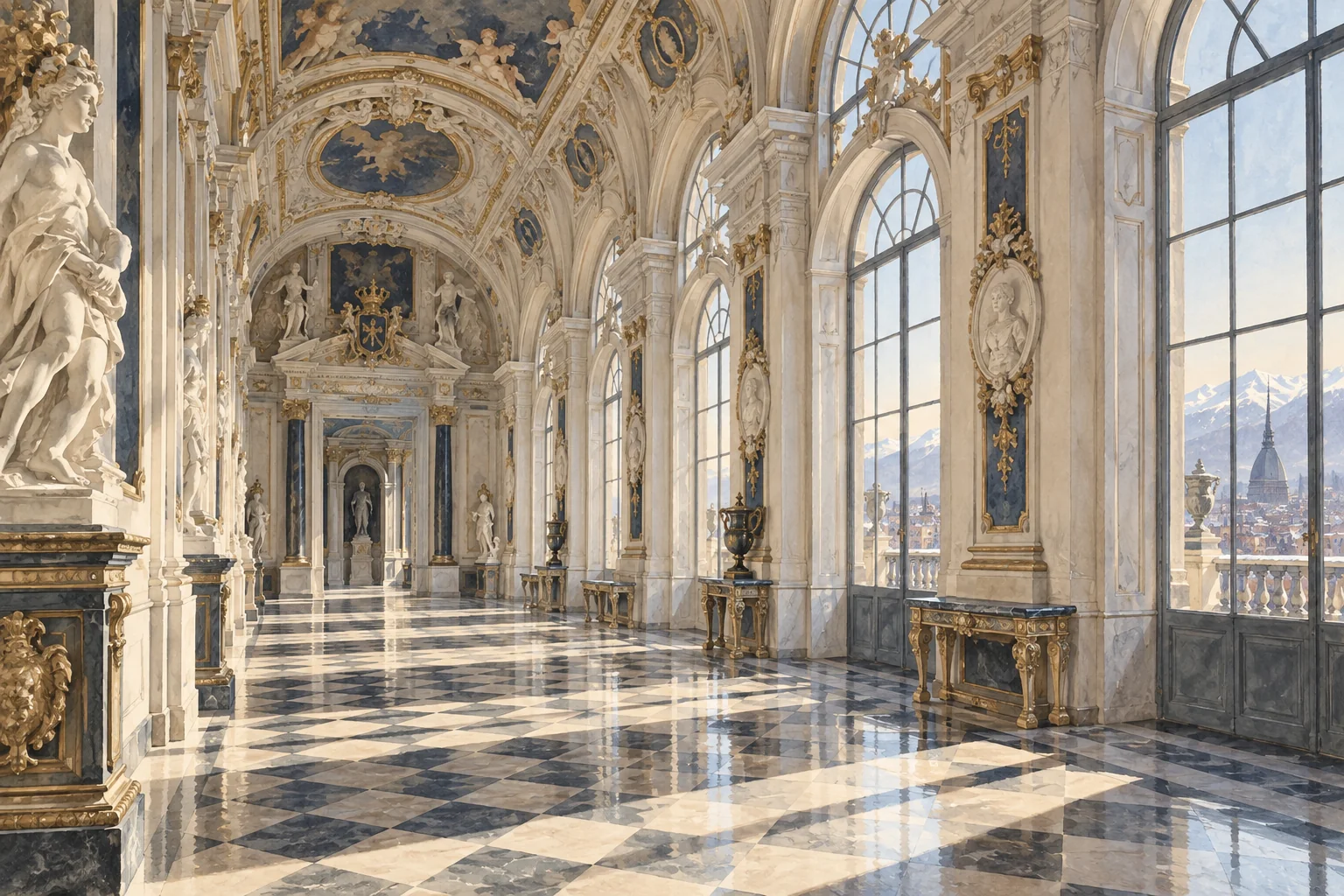
Turin’s political past is easiest to understand when you resist the temptation to turn it into a procession of heroic names. Buildings, objects and institutions can reveal competing ideas as well as celebrated achievements. A visit to the National Museum of the Italian Risorgimento offers a way into that complexity, while the surrounding city gives the story a physical setting.
Begin with a process, not a single moment
The museum’s collection narrative treats unification as a sequence of conflict, diplomacy, popular action and institutional change. The proclamation of the Kingdom of Italy in 1861 is a crucial marker, but it is not the whole story. The later question of Rome and the challenges of governing the new kingdom remain part of the account.
That perspective helps a visitor avoid reading history backward as though the outcome were inevitable. Ask what different participants wanted, what choices were available and what remained unresolved.
Let objects complicate the story
Documents, images, furnishings and personal objects each speak differently. A ceremonial object may express how power wanted to be seen; a practical object may suggest the routine through which power worked. Look for contrasts between public representation and everyday use.
You do not need to read every label with equal intensity. Choose a few rooms or themes, then follow the questions they raise. A museum visit becomes more rewarding when you allow one object to interrupt your assumptions.
Step back into the city
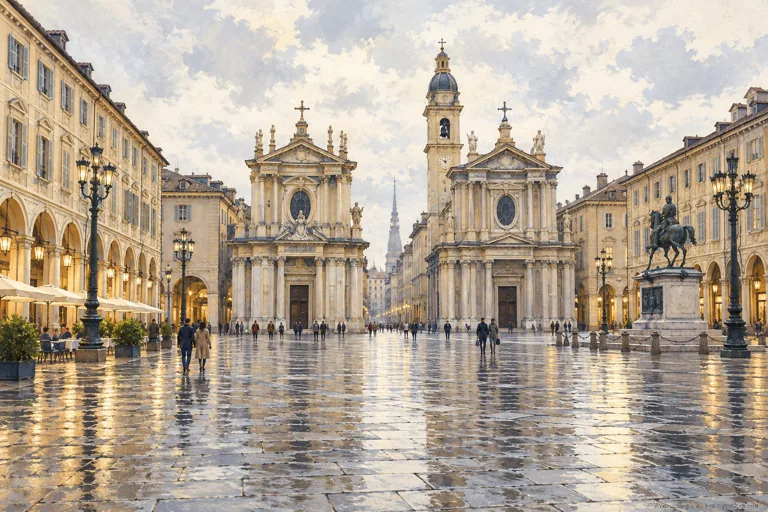
Afterward, walk through the central squares with the political story in mind. Consider the scale of public space, the visibility of important buildings and the relationship between ceremony and ordinary movement. Architecture can communicate authority without requiring a speech.
Keep this as an interpretive exercise rather than a claim that every building had one fixed meaning. Cities are used by many people, and later generations reinterpret inherited spaces.
Connect Turin to a wider Italian journey
Other cities offer different chapters of the same national history. Comparing them can be more illuminating than treating each destination as an isolated postcard. Give the comparison a clear question: how did political institutions, civic identity or public memory change from place to place?
For practical planning, check the museum’s current visitor information and allow time for a break afterward. A dense historical visit asks for concentration. A simple walk and a good meal may be the most thoughtful continuation.
How to approach political history without getting lost
Choose one thread rather than trying to absorb every date at once. You might follow diplomacy, the making of public images, the development of institutions or the relationship between popular action and leadership. A clear thread helps you connect objects across rooms and gives you a reason to stop when a particular display deserves more time.
Pay attention to the voice of a source. A speech, a commemorative image and a personal object do not make the same kind of claim. Ask who produced it, for whom and under what circumstances. The museum’s interpretation can help you distinguish contemporary evidence from later memory. That distinction makes a national-history visit more interesting than a simple celebration of milestones.
If you are visiting with someone who knows less about the period, agree on a few shared questions instead of attempting an impromptu lecture. What problem were people trying to solve? Who had influence? What changed for those outside the central political circle? Questions keep the conversation open while allowing different levels of prior knowledge.
Finish by identifying one thing you understand better and one thing you would like to investigate further. A museum does not need to provide complete mastery to be worthwhile. It can supply a well-formed question that follows you into the next city. That is an especially useful outcome on a journey through Italy, where different local histories repeatedly intersect with the larger national story.
Make it part of your Turin day
Continue with Royal Turin, explore history-focused experiences, or plan a wider route using Florence Tour Hub and Rome Tour Hub. Our journal keeps each subject linked to a practical visit.
Sources & further reading
Turn a good read into a great day.
Find a highly rated Turin experience that brings these stories to life.
Explore related experiences →