Turin’s OGR: from railway repairs to contemporary culture

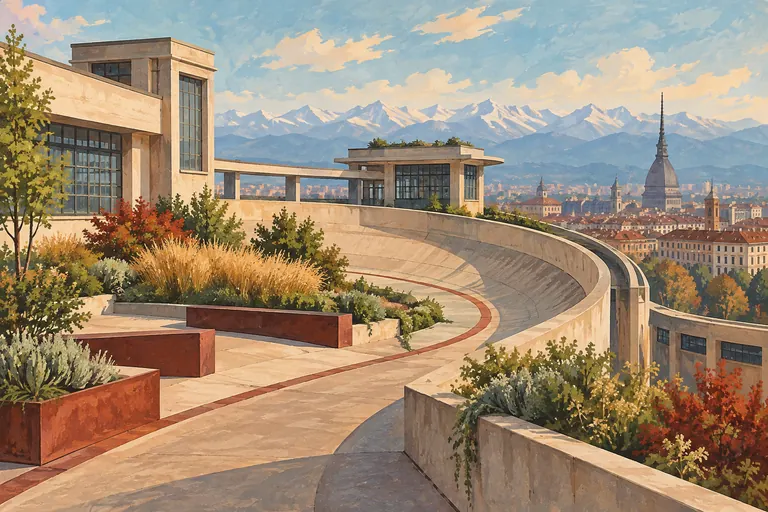
Turin’s OGR invites a different kind of city visit. Instead of beginning with a royal apartment or a painted altar, begin with the scale of a place made for work. Long sightlines, repeated structural elements and generous height can prompt a simple question: what had to move through this building, and what did people need in order to work here?
OGR stands for Officine Grandi Riparazioni, the railway repair workshops. Today the site brings together cultural activity and innovation, but the older industrial identity remains central to understanding it. For a first visit, choose a current exhibition, event or historical introduction that interests you, then allow time to notice the building around it.
Put railway work back into the picture
The OGR historical timeline dates the workshops’ opening to 1895. Their purpose helps explain why this is a different architectural experience from Turin’s ceremonial squares. It is worth looking for the relationship between structure and task, rather than treating the shell as a dramatic backdrop that happens to contain culture.
Imagine the questions a workshop designer must answer: how to support a roof across a broad working area, how to bring light into the interior, and how to organise movement without making every task collide. These are prompts for looking, not claims that every visible feature retains its original function. Later conversion can change circulation and surfaces substantially.
Listen to the people who worked here
The site’s com’era com’è historical area draws on former workers’ memories gathered through interviews involving local students. Its presentation uses a space inspired by a railway carriage. This offers a valuable shift of attention from impressive volume to individual experience: a factory is also a place of learned skills, routines and relationships.
When encountering a personal account, notice what it can illuminate particularly well. A remembered task or working relationship may convey something that a date on a timeline cannot. At the same time, one memory is not a complete account of every worker’s experience. Let the voices add complexity rather than trying to turn them into a single tidy story.
Understand reuse as a design problem
The OGR account of the regeneration project describes the acquisition and transformation of the former industrial complex. Cultural spaces require contemporary access, services and technical systems. Preserving a building’s character therefore involves decisions about what to keep visible, what to adapt and how to make new uses possible.
A helpful exercise is to identify one feature that appears to communicate industrial scale and one that supports present-day visitors. You need not date them by eye. Simply noticing their relationship can make the visit richer. Our introduction to Turin and the motor car extends the wider theme of a city understood through making, machinery and design.
Choose a programme before choosing a time slot
OGR is not a promise that every hall, exhibition and performance is open on one general admission arrangement. Review the venue’s current programme, the relevant event page, opening times and any booking requirements. Separate daytime cultural access from an evening performance, and confirm whether the historical area can be visited during the hours you intend.
If a concert is the main reason for going, organise food and transport around its actual start and finish information. If the visit is mainly architectural, confirm which public areas are accessible that day. Our Turin transport guide helps with the wider journey, while the venue remains the authority on its entrances and event arrangements.
Give the day a satisfying contrast
A contemporary cultural stop can sit well beside a quieter walk or one carefully chosen museum. Avoid collecting unrelated attractions merely because they fit into empty calendar boxes. Our rainy-day Turin guide can help you make a flexible plan, although an indoor destination still needs its own opening check.
For a journey continuing to Milan, looking at everyday design in Milan makes a useful companion theme. You can compare how cities present design without assuming that their industrial histories are interchangeable. The contrast often produces better questions than a hunt for the same experience twice.
Explore our Turin arts and culture collection for additional options, checking the named venue and what each booking actually includes. OGR rewards visitors who arrive with a particular interest and remain open to the building itself. One exhibition, one remembered story and one detail of structure can be enough to change the way the city feels.
Sources & further reading
Turn a good read into a great day.
Find a highly rated Turin experience that brings these stories to life.
Explore related experiences →