A Slow Turin Walk: River Po, Parks and Time to Notice
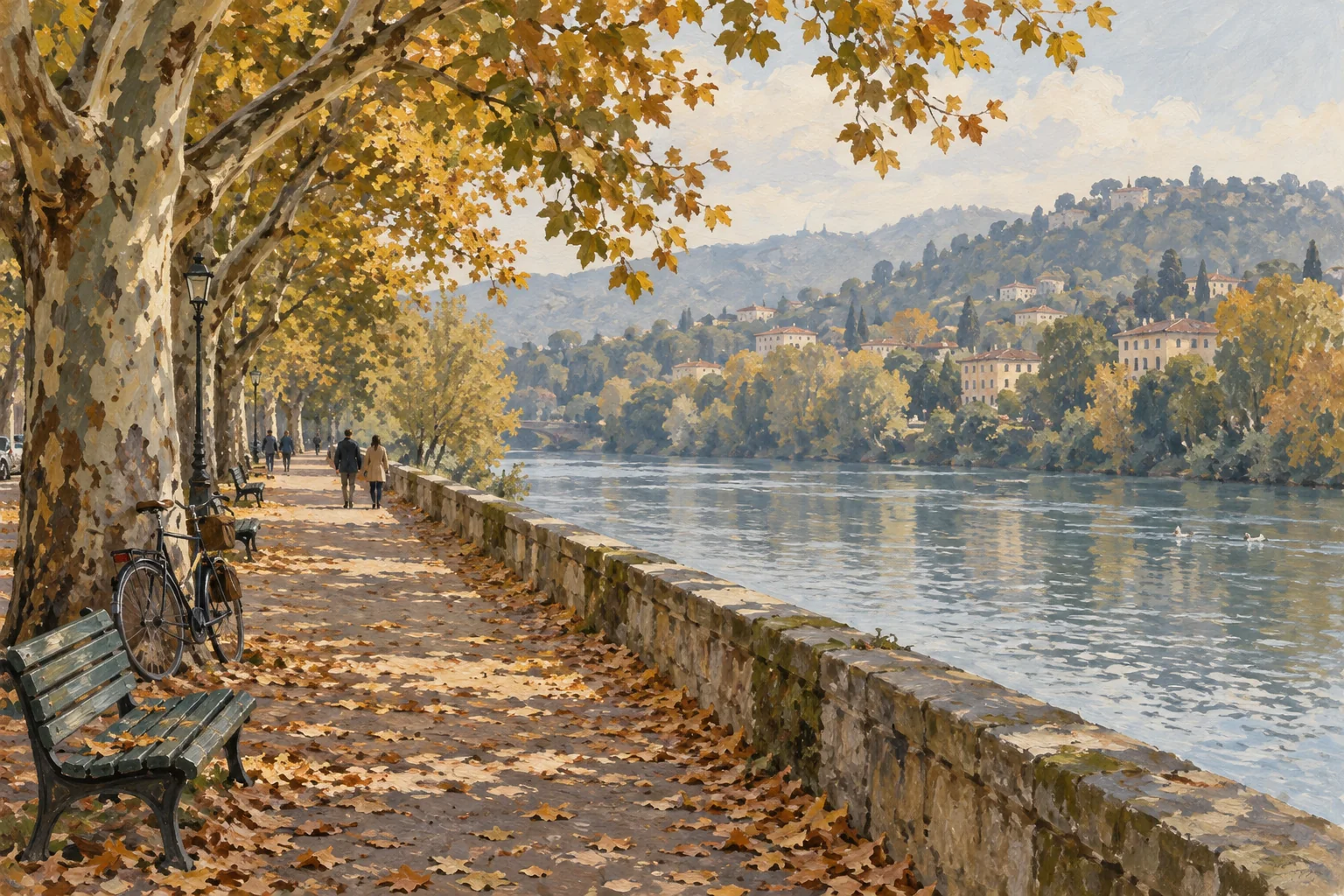
After a morning of galleries, a river walk changes the kind of attention a city asks from you. Instead of reading labels, you notice water, trees, bridges and the slope of the opposite bank. Turin’s Po-side setting offers a useful counterweight to its monumental centre. Make the walk an experience in its own right rather than an ambitious transfer to the next ticket.
Choose a manageable stretch
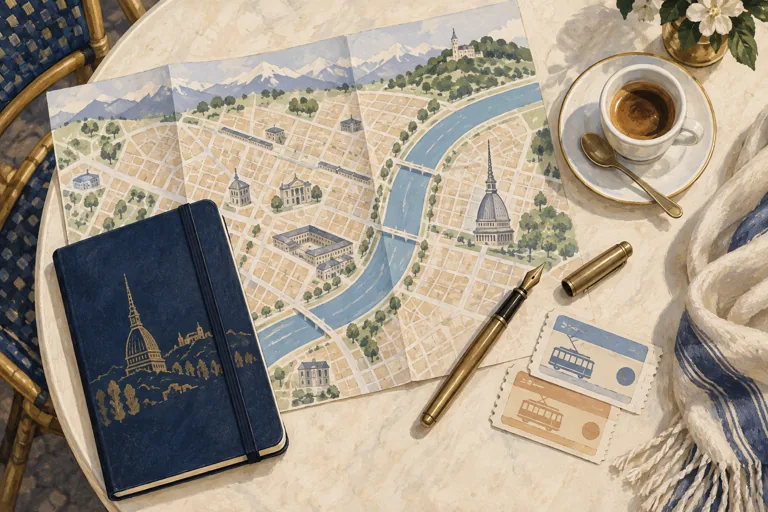
Pick a starting point, a turnaround point and a way back. A river can make a route seem obvious while quietly encouraging you to walk farther than intended. Check the map against your energy and available daylight. Leave room to shorten the plan.
Conditions on paths can vary. After rain, surfaces may be slippery; in hot weather, exposed stretches feel different from shaded ones. Choose shoes and a route suited to the day. A scenic walk is more enjoyable when comfort has already been considered.
Look at the city from another angle
Riversides reveal relationships that are harder to see from a dense street: the distance between neighborhoods, changes in level and the way bridges connect daily routines. Watch how people use the space rather than searching only for a landmark photograph.
A few deliberate stops can make the walk richer. Notice a tree’s shape, the color of the water or the rhythm of an embankment. Take fewer photographs if that helps you look longer. The aim is to be present, not to document every metre.
Make it work for your group
Agree on the pace and rest stops before setting out. A pleasant stroll for one person may be a demanding outing for another. If you need step-free access, check the specific approach and path rather than assuming that all river-level routes are easy to reach.
Keep children close around roads and water, and respect cyclists and other path users. Use designated routes and follow local signs. A calm plan leaves enough attention for the shared public space.
Let the ending stay simple
A café, an early dinner or a return to the hotel may be the right conclusion. You do not have to attach another attraction to justify the afternoon. Time outdoors can be what makes a museum-heavy trip feel balanced.
If the weather turns, change direction without regret. A flexible walk succeeds when it supports the day you are having, not when it forces you to complete a line on a map.
An outdoor interval for a museum-heavy trip
Place the walk where it changes the day’s rhythm rather than where it fills the last available gap. After reading and standing indoors, you may want open space and gentle movement. Before a museum, you may prefer a shorter walk that leaves your attention fresh. The same route serves different purposes depending on its place in the schedule.
Let everyone in the group know whether the plan is a destination walk or an out-and-back stroll. That small distinction prevents misunderstandings about how far remains. Identify a comfortable rest point and a return option, especially when the party includes people with different energy levels.
If you enjoy drawing, choose one stationary view and spend ten minutes on it. If you prefer photography, compare a wide scene with one close detail. If neither appeals, simply sit and listen. These are ways to notice the river environment without making the afternoon another task to complete.
Keep expectations proportionate to conditions. A hazy day may not supply a dramatic distant view, but it can still offer soft light, interesting reflections and a quiet atmosphere. A crowded path may be better enjoyed at another time. Being willing to adapt is part of a slow walk, not a failure of planning. The reward is a more varied memory of Turin: water and leaves alongside rooms, objects and stone.
Make it part of your Turin day
Balance the walk with a cultural experience, read our rainy-day alternative, and find a comfortable structure in Turin day plans.
Sources & further reading
Turn a good read into a great day.
Find a highly rated Turin experience that brings these stories to life.
Explore related experiences →