Turin’s Carpano Museum: what can a former factory reveal about vermouth?

A bottle is a small object with a surprisingly large working world behind it. Ingredients have to be handled, a product identified, records kept and customers reached. Turin’s Carpano Museum makes that wider story worth noticing. Located within Eataly Torino Lingotto, it offers a way to think about vermouth through a former place of production rather than approaching the subject only as something to order at a bar.
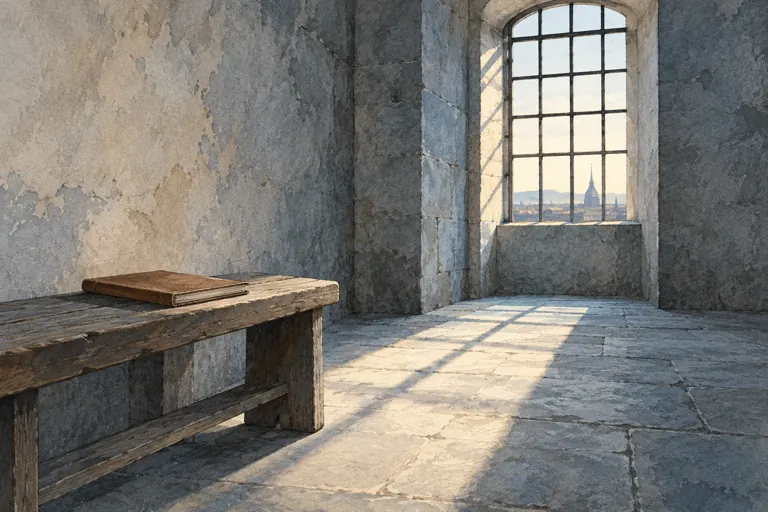
The museum designers’ account places the museum on the first floor, in rooms once used to archive documents and process the herbs needed for vermouth. Those former functions provide a useful route into the visit. This is a museum in a reused industrial building, not a promise of access to a working Turin production line. Confirm present access and any guided arrangements with Eataly before making a special journey.
Follow a process before following a brand story
Start by asking what had to happen between an ingredient arriving and a finished bottle leaving. A display may help explain one stage, while a photograph or document supplies evidence for another. Try to distinguish an object used in production from a later presentation of the company’s identity. Both can be interesting, but they answer different questions.
The institution connects Carpano’s history with Turin in 1786 and describes later production at the Fratelli Branca distilleries in Milan. Avoid compressing that long chronology into the idea that the drink has always been made in the room you are visiting. A museum can preserve a place’s industrial memory after its working function has changed. Its value lies partly in making that change visible.
Let packaging become evidence
When a bottle, label or advertisement catches your eye, look beyond whether you find it attractive. What information does it present prominently? Does a shape make the product recognizable before the wording is read? If a date or provenance is supplied, use it to place the object rather than judging age from faded colors or elaborate lettering alone. A reproduction may illustrate a point without being the original artifact.
You can take a small set of questions through the room: who needed this object, what job did it perform, and what evidence supports the explanation? That method also works at the Lavazza Museum, although coffee and vermouth have different products, histories and visitor experiences. Comparing how museums tell industrial stories is more useful than assuming a common format means identical admissions or activities.
Notice the building’s second working life
MuseoTorino identifies the Via Nizza site with the former Carpano factory and its later use as Eataly. The present food-retail setting is therefore part of the story, not just a convenient landmark. Consider which signs of industrial scale remain legible and which features belong to the current use. Resist dating a wall or window merely because it looks old; the official record is a better basis for a historical claim.
Nearby plans should still be checked separately. Our Lingotto rooftop and Pinacoteca guide concerns a different visitor route with its own entrance arrangements. Two places associated with industrial Turin can make an interesting thematic day, but proximity alone does not guarantee that their opening times, tickets or access needs fit neatly together. Leave a flexible interval between them rather than treating the neighborhood as one large attraction.
Keep a museum visit separate from a tasting
The City of Turin’s museum listing directs visitors to Eataly for information, guided visits in Italian or English and tasting experiences. That is an invitation to ask what is currently offered, not evidence that every museum entrance includes a tasting. Confirm the date, language, format and inclusions before booking anything additional. You can be interested in the history of a drink without choosing to drink it.
For a different Turin ritual, our bicerin article examines the relationship between a named drink and its setting. The Turin dining collection offers other experiences to compare carefully. If your journey continues to Milan, Milan’s cultural journal can help develop the wider industrial-design theme without implying access to a distillery. A satisfying Carpano visit may end with a new way of reading an everyday bottle: as an object shaped by work, place and the choices involved in presenting a product to the world.
Sources & further reading
Turn a good read into a great day.
Find a highly rated Turin experience that brings these stories to life.
Explore related experiences →