Turin’s Fontana dei Dodici Mesi: what survives from the exhibition of 1898?

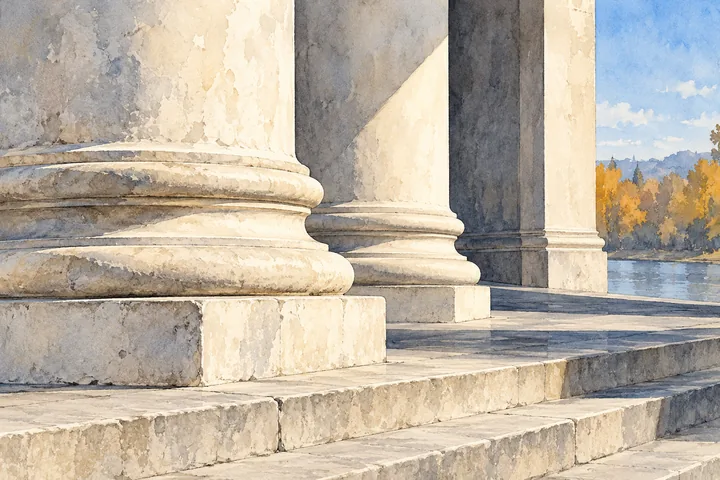
A park fountain can seem timeless: water, sculpture, trees and a place to stop. Turin’s Fontana dei Dodici Mesi becomes more interesting when you restore the event that first surrounded it. It was made for the Esposizione Generale Italiana of 1898, a temporary world of display in the Parco del Valentino. The fountain remained after much of that setting disappeared. A short visit can therefore become an exercise in reading a survivor.
Approach it as one focused outdoor stop, rather than a promise of a particular water display. Its sculpture and setting remain subjects for looking even when water is not operating. Use our slow Turin river-and-parks walk to decide how much ground you want to cover, and check current park routes before choosing the fountain as your turning point.
What happened here in 1898?
MuseoTorino’s Fontana dei Mesi record connects Carlo Ceppi’s design to the 1898 exhibition and the fiftieth anniversary of the Statuto Albertino. It identifies the fountain as the surviving architectural element of the exhibition’s larger ensemble. Where many temporary structures used materials intended for a shorter life, the fountain had a permanent cement structure. That difference helps explain why one element can outlast the occasion that gave it meaning.
You do not need to reconstruct the entire fair in your imagination. Start with a smaller question: what would change if this fountain were approached beside exhibition buildings rather than through today’s park? The answer is interpretive. A historic plan or photograph could make it more precise, but the present setting alone cannot show you the original crowd, route or programme. The missing surroundings are part of the story, not a blank space to fill with invented detail.
Why are months and rivers represented?
The museum record describes twelve female figures representing the months and four sculptural groups associated with Turin’s rivers: the Po, Dora, Sangone and Stura. Together, the subjects bring a cycle of time and a local geography into the same composition. This identification comes from the historical account; the meanings of every attribute should not be guessed from a distant or weathered figure.
Try looking at the arrangement before trying to name each statue. Notice how a repeated figure differs from a larger group, how a curved edge gathers the composition and where your eye is directed. If you cannot confidently identify a month, simply record the visible detail. An attentive description is worth more than an incorrect label. A pair of binoculars can sometimes help with distant sculpture, but remain on permitted paths and never climb the structure for a closer view.
Why does the wider park matter?
The MuseoTorino record places the monument in the Parco del Valentino. That is a more useful starting point than searching only for “a fountain in Turin.” The city contains several fountains with seasonal or allegorical names, and similar wording can lead you to a different place. Check the mapped location as well as the name before setting out.
The park also contains histories from other occasions. Our Borgo Medievale article explains why a building’s apparent age and its actual origin can differ. Keep any proposed Borgo visit separate, with its own current opening check; proximity does not establish access. Comparing the two subjects can be rewarding, but there is no need to turn one fountain stop into a checklist of every nearby attraction.
What should you verify for a visit now?
The Valentino has undergone phased renewal, and older descriptions of roads, parking and paths should not be treated as a current route map. Check municipal notices and follow the access information on site. The fountain’s historical listing and the tourism authority’s photographic record establish its identity and setting; neither guarantees that pumps, lighting or every surrounding path will be operating on your chosen day.
Choose daylight, appropriate footwear and a manageable route for your party. If mobility or step-free access is essential, ask for current information about the specific approach rather than relying on a general description of the whole park. Leave space around barriers and maintenance activity. The basin is a monument, not a place to enter or retrieve a dropped object yourself. A modest change to the route is preferable to making a historical visit depend on access that has not been confirmed.
Use one comparison to sharpen the experience
Turin’s Parco Dora guide offers a striking comparison: a green space can retain physical evidence of an earlier use without reproducing that earlier world. In Milan, the Parco Sempione article likewise encourages looking at a park in relation to the city around it. These comparisons give you questions, rather than a demand to visit more places in one afternoon.
For a guided introduction, our Turin experience collection lists activities with their own routes and meeting points. Confirm whether the Valentino or the fountain is included. Otherwise, give yourself a simple task: notice one sculptural relationship, identify the exhibition date and distinguish a documented fact from your own response. The fountain then becomes more than an attractive pause. It becomes evidence that a temporary event can leave a lasting piece of the city.
Sources & further reading
Turn a good read into a great day.
Find a highly rated Turin experience that brings these stories to life.
Explore related experiences →