Turin’s Palazzo Lascaris: how do you plan a visit to a working civic palace?

Palazzo Lascaris is a historic Turin palace that also serves a present-day political institution. That combination is the key to planning a satisfying visit. The building's decorated rooms are not simply waiting behind an open museum door: public heritage visits follow an organised arrangement, while the Regional Council continues its own work. Confirm the visit first, then arrive ready to look at how an aristocratic residence has acquired a different civic purpose.
What is the palace used for now?
The Piedmont Regional Council's Palazzo Lascaris page identifies the building on Via Alfieri as the council's headquarters since 1979. It describes a palace originating in the late seventeenth century and subsequently altered. These two timelines belong together. The architecture can be historic while the building's daily function remains active, with access shaped by institutional requirements rather than a visitor's preferred route.
That distinction is useful even before entry. A public office address is not an invitation to explore every corridor, and a heritage tour is not necessarily access to a council sitting. Read the conditions for the particular visit you reserve. If your main interest is observing current proceedings, consult the council's own information for that purpose rather than treating a palace tour as a substitute.
How is a public visit arranged?
The council currently describes free guided visits on the third Friday of the month at 17:00, with advance booking required through the linked tourism service. This information was checked on 2 November 2026. Confirm the actual published date and reservation conditions before travelling; a recurring description does not establish that places remain available for a particular departure or that an exceptional programme cannot alter the arrangement.
The council's announcement of the guided-visit programme explains the inclusion of the palace in the city's historic-building circuit. Use the current booking channel for practical confirmation, and ask about the meeting point, tour language, duration and access needs. Keep the confirmation accessible. An unacknowledged request or a page showing a recurring time is not the same as a booked visit.
What should you notice in the entrance sequence?
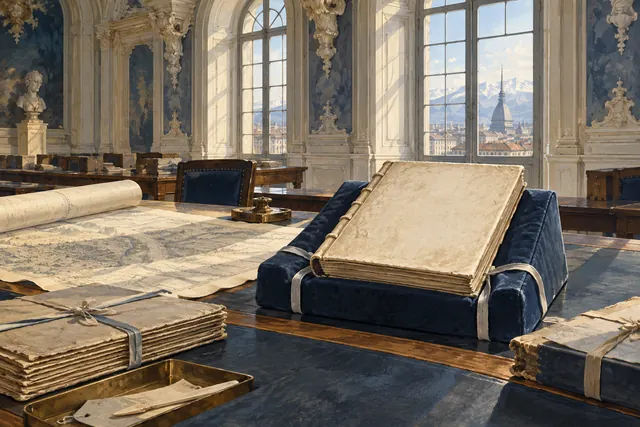
The council highlights the frescoed entrance, marble columns, stairs and formal rooms. Look at how the sequence organises arrival: where a visitor pauses, where the eye is drawn and how the transition between levels creates a sense of ceremony. These are observations about the space in front of you, not claims that every surface survives unchanged from the first building campaign.
A useful question for the guide is which parts of the route belong to which period. A repaired surface, an altered opening and a later furnishing can each contribute to the present interior. Resist the temptation to describe the entire palace as a single untouched moment. Historical buildings become more intelligible when changes are explained rather than edited out of the visitor's imagination.
How does a working institution change the encounter?
Pay attention to the difference between decorative display and current use. A room may preserve ceremonial features while serving purposes its original occupants would not have recognised. That can prompt an interesting discussion about what a public institution chooses to retain, adapt or interpret. Ask the guide about the specific space rather than inferring a function from the presence of an impressive chair or table.
Follow the authorised route and any photography instructions. Signs, staff directions and temporary restrictions are part of visiting a working building, not obstacles to be negotiated around. The council's page also discusses arrangements connected with work on its chamber and access to proceedings online; this is another reason to check current information instead of relying on a previous visitor's itinerary.
Which Turin comparisons are worthwhile?
Our Palazzo Barolo guide offers a separate palace encounter with its own history and visitor arrangements. Palazzo Madama presents another relationship between historic architecture and a public cultural institution. These are useful comparisons precisely because their present functions and collections differ. Do not transfer one building's ticket, opening pattern or route to another simply because both are described as palaces.
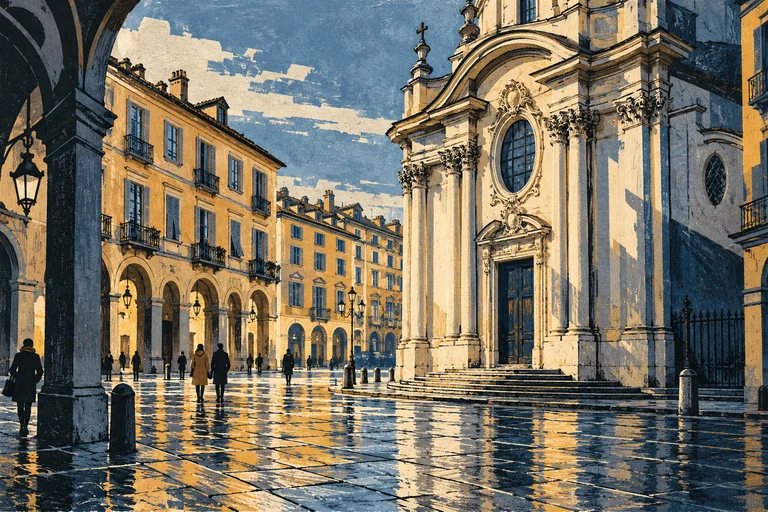
A walk around Piazza Carignano adds a further urban perspective without demanding another interior visit. Notice how a significant building meets the street and how much of its public identity can be understood outside. Schedule that walk around the confirmed Lascaris appointment rather than arriving at a reserved entrance tired and short of time.
How does this fit a wider Italian journey?
Italy Tour Hub's guide to historic buildings and their present uses provides a broader way to think about places that combine inherited architecture with new responsibilities. Use that national perspective to sharpen questions, while allowing each institution to define its own public access. A palace converted to a museum, an office or a cultural venue will not offer an identical kind of encounter.
Our Turin palace and museum experiences can help plan another part of the stay, but check each listed itinerary: a general city tour does not automatically include Palazzo Lascaris. The reward here is more specific than an ornate interior. It is the chance to see a historic building as part of contemporary civic life, with both past decoration and present use kept in view.
Sources & further reading
Turn a good read into a great day.
Find a highly rated Turin experience that brings these stories to life.
Explore related experiences →